
Practical, natural steps to ease heel pain day to day.
Introduction
Sharp heel pain in the morning can feel alarming. Many people describe a first-step sting that calms down as they move. If this sounds familiar, you may be dealing with plantar fasciitis or a similar heel pain pattern.
While some people use medicine or procedures, others prefer a gentle, whole-person plan. The goal is to lower strain on the foot and support easier movement over time.
How This Condition Is Commonly Described
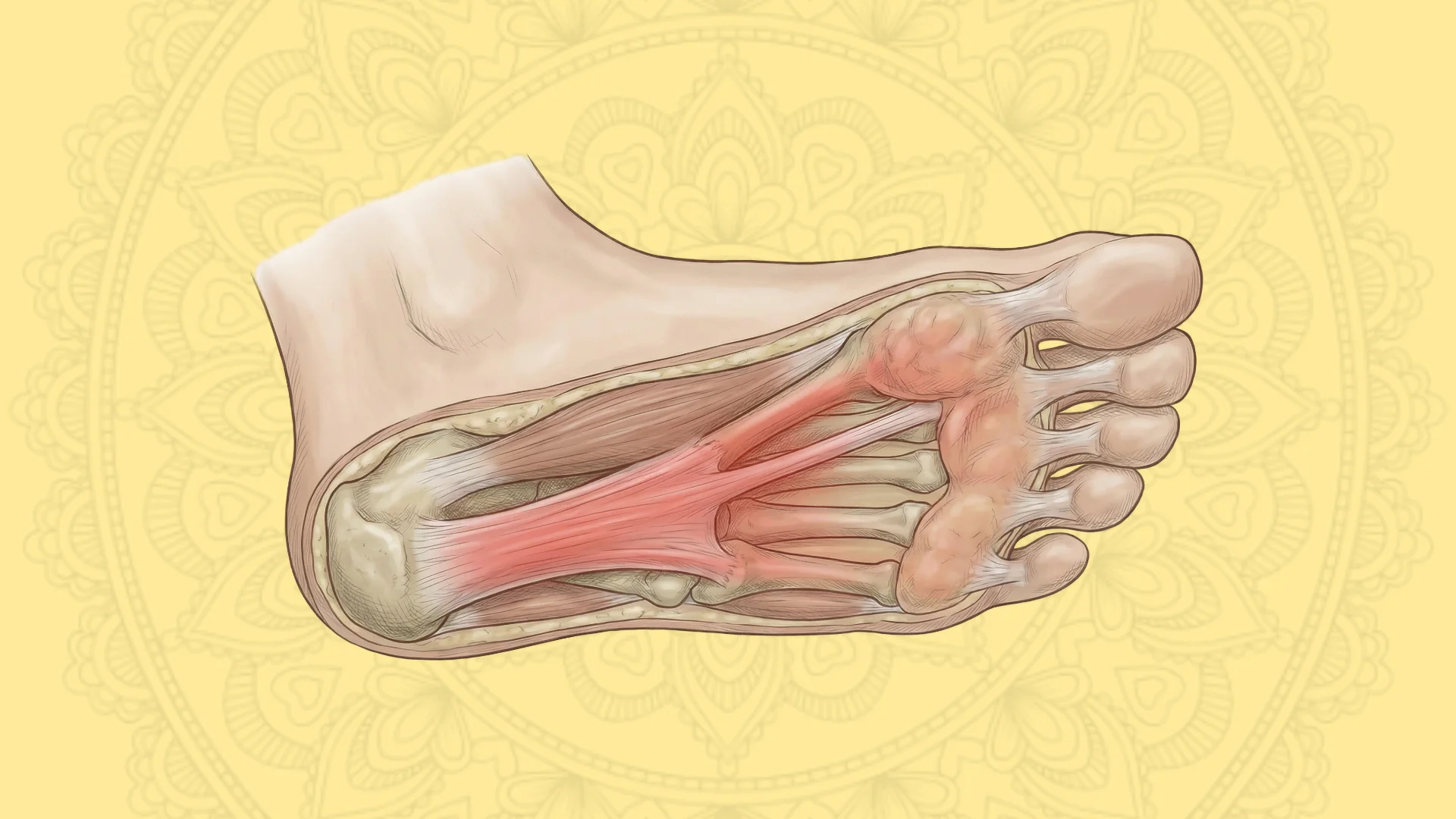
Plantar fasciitis is commonly described as irritation of the plantar fascia. The plantar fascia is a strong band of tissue that runs from the heel toward the toes. It helps support your arch and manage load when you stand and walk.
Symptoms often build slowly. Many people notice it after a change in activity, shoes, or time spent standing.
How Movement, Pain, or Stiffness May Be Experienced
The most common description is heel pain near the bottom of the heel. It may feel sharp, hot, or deep. For many, it is worst with first steps after sleep or long sitting.
Common examples: pain when you step out of bed, or when you stand after driving. Some people also notice an ache after long walks or time on hard floors.
Pain levels can vary by day. It may shift based on stress, sleep, footwear, and how much time you spend on your feet.
How Care Is Commonly Approached (General Overview)
Care often starts with load management. That means reducing what aggravates symptoms, then building back slowly. Many people do best with a mix of stretching, strengthening, and better foot support.
Helpful basics may include short rest breaks, ice for comfort, and swapping high-impact workouts for low-impact options like cycling or swimming. A clinician may also suggest physical therapy, taping, or shoe inserts based on your foot shape and daily demands.
If you are unsure what is driving your pain, a podiatrist or physical therapist can help rule out other causes. That can be reassuring when symptoms feel stubborn.
Massage Therapy’s Supportive Role
Massage may support comfort and body awareness when heel pain changes how you move. It may also help you relax when pain affects sleep or mood. Massage is often focused on the calf, ankle, and sole of the foot, since these areas share tension and load.
A therapist may use slow pressure along the calf and the bottom of the foot. Some people also try gentle self-massage using a ball under the arch. Keep it mild and stop if it feels sharp or “electric.”
Simple home option: roll the foot on a smooth ball for 30 to 60 seconds. Then stretch the calf and the bottom of the foot. Many people find this feels best after warming up, not first thing in the morning.
Safety Considerations & When to Seek Professional Care
Heel pain is common, but not all heel pain is the same. Seek care if: pain is severe, starts after a fall, or you cannot put weight on the foot. Also get help if you have numbness, fever, redness, or swelling that spreads.
If you have diabetes, poor circulation, or loss of sensation in the feet, get guidance before trying intense self-care. It is also wise to check in if symptoms last more than a couple of weeks, or keep returning.
A professional can help you choose the right stretches, footwear changes, and pacing plan. That often lowers flare-ups and builds confidence with walking again.
Key Takeaways
- Morning pain is a common pattern with plantar fascia irritation.
- Load changes like new workouts or long standing may play a role.
- Supportive shoes and gradual activity can reduce daily strain.
- Massage support may help comfort and ease tension in nearby muscles.
- Red flags like severe pain or numbness need professional review.
Key Takeaways
- Morning pain is a common pattern with plantar fascia irritation.
- Load changes like new workouts or long standing may play a role.
- Supportive shoes and gradual activity can reduce daily strain.
- Massage support may help comfort and ease tension in nearby muscles.
- Red flags like severe pain or numbness need professional review.
FAQs
What causes plantar fasciitis pain to feel worse in the morning?
Many people feel more pain with first steps because the foot has been still for hours. The tissues may feel stiff when you first load them. Gentle movement and a short warm-up can sometimes make walking feel easier.
Can massage help plantar fasciitis?
Massage may support comfort by easing tension in the calf and the bottom of the foot. Some people also notice better relaxation and body awareness. Results vary, and massage should not feel sharp or burning.
What stretches are commonly used for plantar fascia irritation?
Common options include calf stretches and gentle stretching of the sole of the foot. Many people stretch after a warm shower or after walking a bit. A physical therapist can help match stretches to your needs.
Do shoe inserts or arch supports matter?
Supportive shoes or inserts may reduce strain by spreading pressure more evenly. Some people prefer a firmer arch support, while others need a softer option. If inserts increase pain, stop and get guidance.
When should I see a professional for heel pain?
Seek care if pain is severe, follows an injury, or you cannot bear weight. Also get help if you notice numbness, spreading swelling, redness, or fever. If symptoms linger beyond a couple of weeks, a podiatrist or physical therapist can help you plan next steps.
Sources
American Academy of Orthopaedic Surgeons. (n.d.). Plantar Fasciitis and Bone Spurs. https://orthoinfo.aaos.org/en/diseases–conditions/plantar-fasciitis-and-bone-spurs/
Mayo Clinic. (n.d.). Plantar fasciitis. https://www.mayoclinic.org/diseases-conditions/plantar-fasciitis/symptoms-causes/syc-20354846
NHS. (n.d.). Plantar fasciitis. https://www.nhs.uk/conditions/plantar-fasciitis/
National Center for Complementary and Integrative Health. (n.d.). Massage Therapy: What You Need To Know. https://www.nccih.nih.gov/health/massage-therapy-what-you-need-to-know
Journal of Orthopaedic & Sports Physical Therapy. (n.d.). Heel Pain—Plantar Fasciitis: Clinical Practice Guidelines. https://www.jospt.org/doi/10.2519/jospt.2014.0303