
Introduction
Migraine can feel like your whole day shrinks to light, sound, and head pressure.
This article explains migraine patterns, general care options, and massage safety.
A supportive comfort tool
While massage cannot treat the root cause of migraine, it may support comfort and relaxation for some people.
How This Is Commonly Described
More than a headache
Also, many people describe migraine as throbbing one-sided pain that builds and pulses over time.
When it flares, you may also notice light sensitivity or sound sensitivity, which can feel overwhelming.
Extra symptoms that change the day
However, migraine can come with nausea or vomiting, fatigue, and trouble thinking clearly.
If you get aura changes, you might see zigzags or flashing lights before the headache starts.
For example, a normal hallway light can feel harsh, so you avoid screens and dim the room.
How Movement, Pain, or Stiffness May Be Experienced
Neck, jaw, and scalp patterns
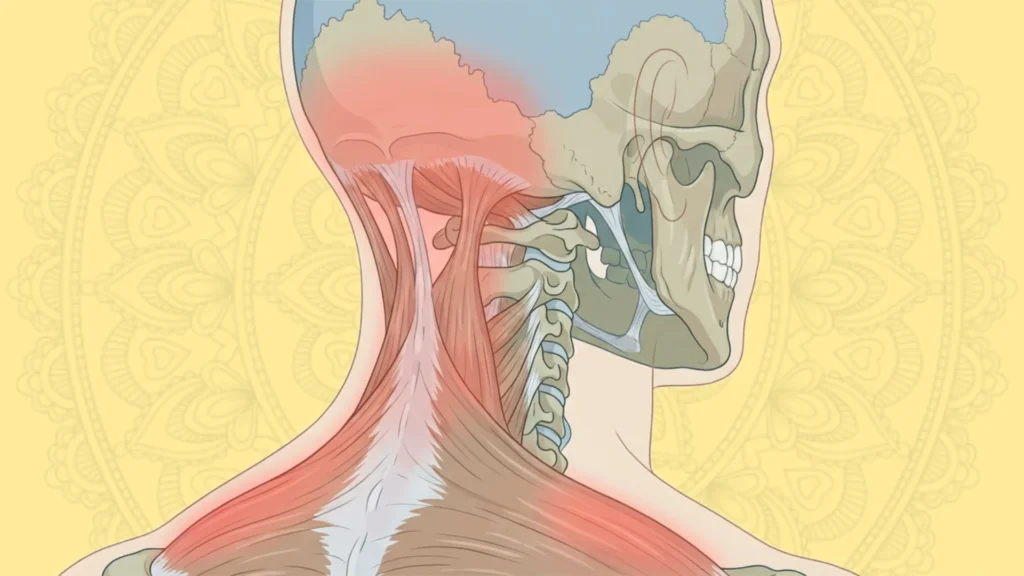
Also, some people notice neck and shoulder tightness that makes turning the head feel annoying.
When the scalp feels sensitive, even brushing hair can trigger scalp tenderness.
What feels harder during an attack
However, movement can feel risky, so stairs, bending, or fast walking may worsen symptoms.
Because your system is on high alert, gentle pressure may feel okay for one person and too much for another.
At the same time, some people feel stiff after an attack, like they slept in a twisted position.
How Care Is Commonly Approached (General Overview)
Simple steps people try first
Also, many people start with a dark quiet room, rest, and a cool cloth on the forehead.
When hydration is low, drinking water and eating a small snack may support steadier energy.
Medical care and longer-term plans
However, treatment plans often include over-the-counter pain relief and prescription options like triptan medicines for some people.
After a few attacks, keeping a headache diary can help you spot patterns like sleep changes or skipped meals.
Because frequent pain medicine use can backfire for some people, a clinician can guide safer timing and dosing.
Over time, steady basics like regular meals and sleep may make flareups easier to predict and manage.
Massage Therapy’s Supportive Role
What massage may support
Also, massage is often used as a stress downshift, which may matter if stress is a common trigger.
When neck and upper back muscles feel guarded, massage may offer muscle tension relief that improves comfort.
Choosing touch and timing
However, the best approach is usually lighter than you think, with slow steady strokes and plenty of check-ins.
If you are mid-attack and touch feels irritating, it may be better to pause massage and rest instead.
Because the base of the skull can feel loaded, some people prefer work around the suboccipital area with gentle holds.
Low-effort options at home
For example, you can try a warm shower on the neck, then a soft self-massage to the shoulders.
When you sit at a desk, a small towel roll behind the upper back can reduce slumping pressure.
At the same time, slow breathing during massage can support a calmer nervous system, especially in a dark room.
Safety Considerations & When to Seek Professional Care
When to be cautious with massage
Also, avoid deep pressure on the head and neck if you feel dizzy, feverish, or unusually unwell.
If you are pregnant, have a bleeding disorder, or take blood thinners, ask a clinician before neck work.
Red flags that need urgent help
However, seek urgent care for a sudden worst headache that peaks fast or feels unlike your usual pattern.
When you have new weakness or speech trouble, vision loss, confusion, or a seizure, get emergency help.
If migraine symptoms last over 72 hours, or aura lasts longer than usual, contact a healthcare professional.
After a recent head injury, new headache symptoms should be checked before trying massage.