
Introduction
Trigger point massage is a focused way of working on tender, tight spots in muscle.
This article explains trigger points, common sensations, and safety tips.
Why these spots can matter
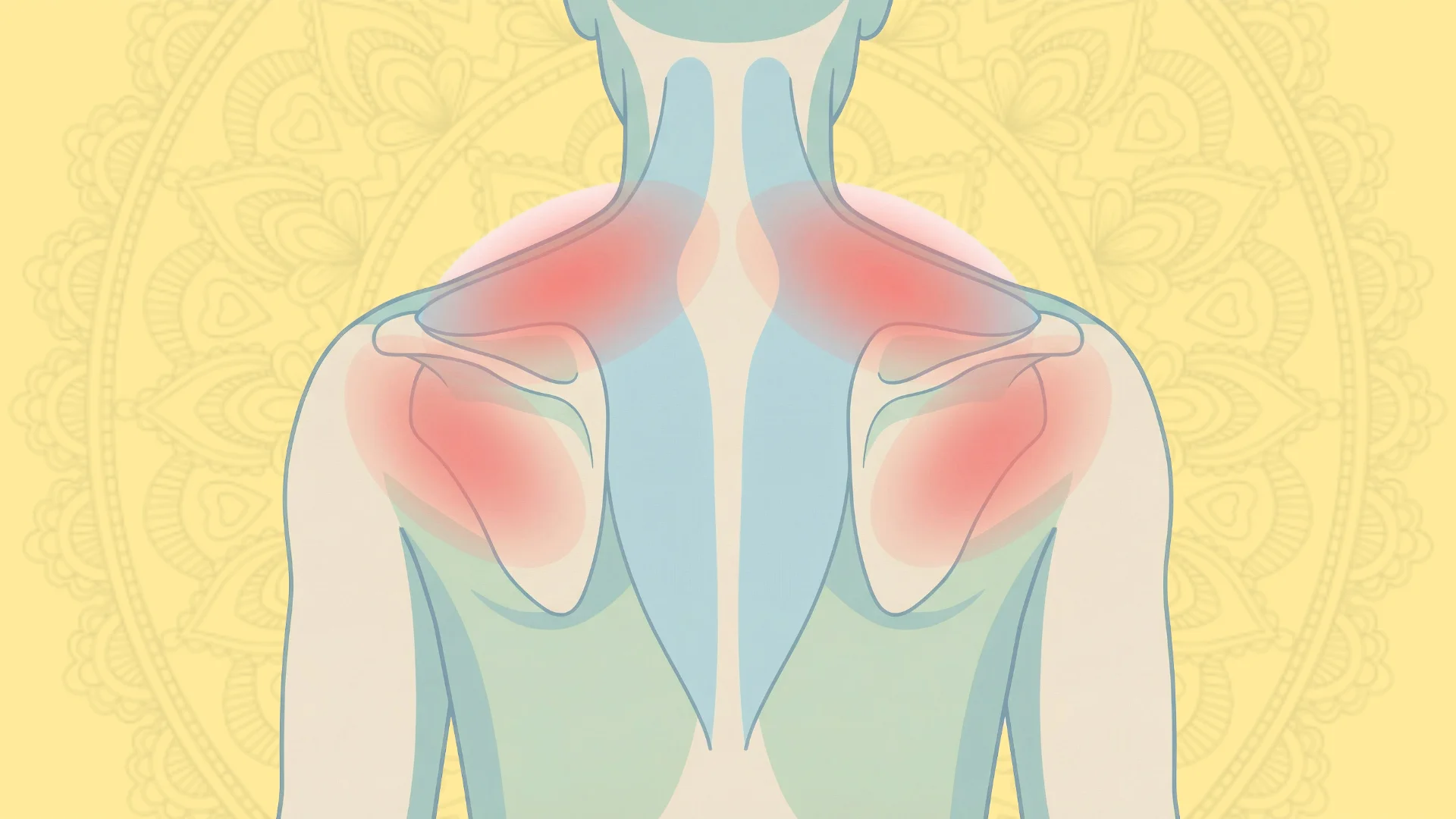
Also, a trigger point can feel like a small knot that hurts when pressed.
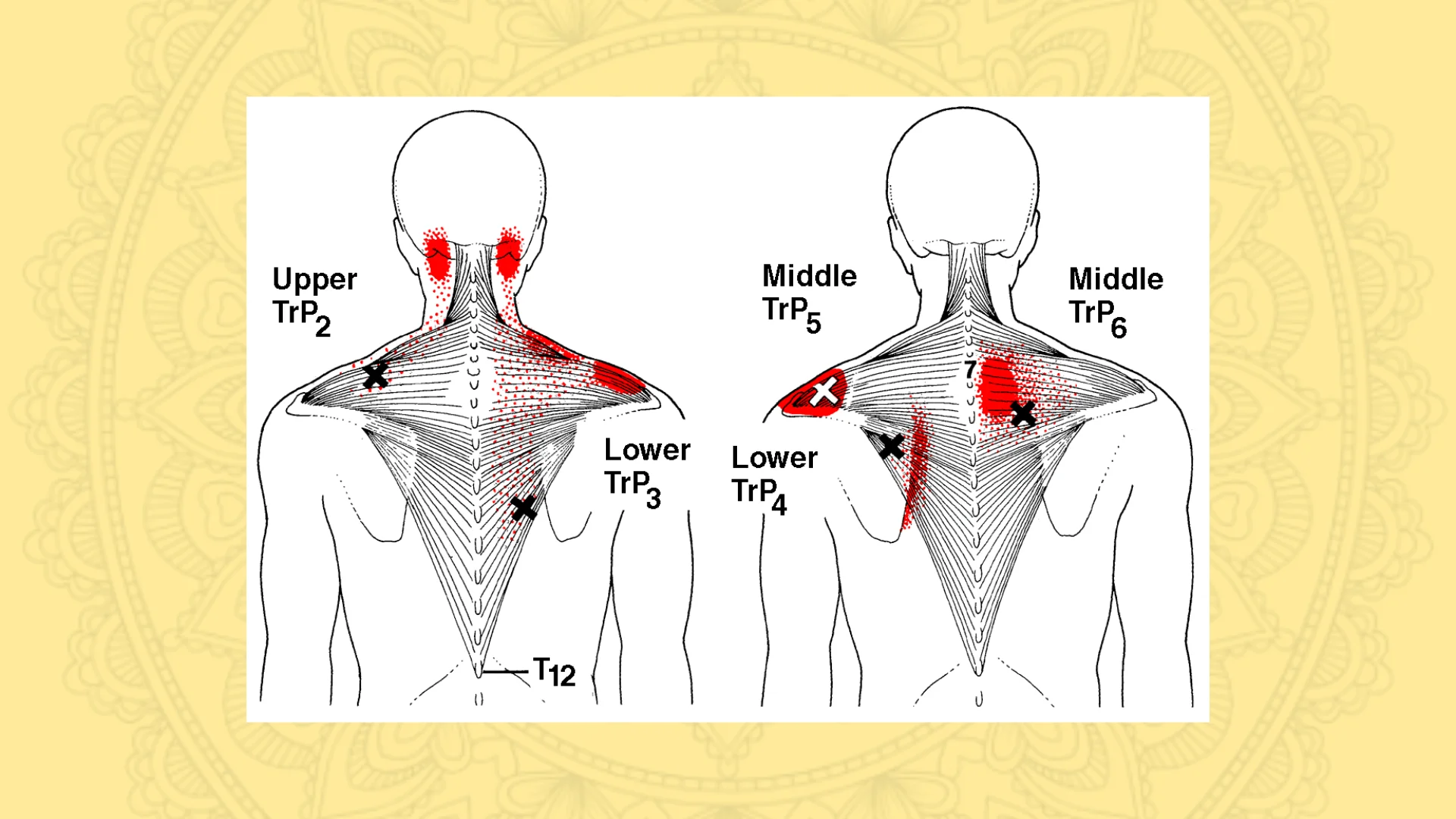
When that spot is irritated, pain can sometimes spread to a nearby area.
How This Is Commonly Described
Words people use in real life
Also, people often call trigger points muscle knots or tight bands in the shoulder.
When you press them, you may feel sharp tenderness or referred pain that travels.
However, some clinicians describe this pattern as myofascial pain, which involves muscle and fascia.
Because of this, the same issue may be labeled “trigger point therapy” or “myofascial release” in different settings.
How Movement, Pain, or Stiffness May Be Experienced
Common patterns you might notice
For example, you might feel deep aching in the upper shoulder after long hours at a desk.
When you turn your head to check traffic, the area can feel pinchy or stuck.
Also, a trigger point may limit motion, so reaching into a high cabinet feels awkward.
If morning stress is high, you may notice guarding, where your shoulder lifts without you meaning to.
How Care Is Commonly Approached (General Overview)
Usually more than one tool
Also, care often starts with simple steps like heat, pacing, and gentle movement.
When posture and habits play a role, small changes at work can reduce daily strain.
However, ongoing pain may call for a plan that includes strength work, mobility practice, and rest.
Because of this, some people also use self-massage tools, like a ball on the wall, with light pressure.
After a flare, it can help to return to activity gradually, like shorter walks and lighter bags.
If symptoms persist, clinicians may check for other causes and suggest targeted therapies.
Massage Therapy’s Supportive Role
What a session often focuses on
Also, trigger point massage often uses steady compression on a tender spot, then slower strokes around it.
When pressure is well-matched, the area may feel less guarded and easier to move.
However, “more pressure” is not always better, and soreness can happen after deep work.
Because of this, many therapists aim for tolerable intensity and frequent check-ins during the session.
Over time, massage may support body awareness, so you notice clenching early and adjust sooner.
After a session, gentle stretches and a short walk can help you stay loose without overdoing it.
Safety Considerations & When to Seek Professional Care
When it is smart to pause
Also, mild soreness after massage can be normal, but severe pain is a reason to stop.
If you feel numbness, new weakness, or pain shooting down the arm, consider medical advice.
However, skip deep pressure over fresh injuries, open skin, or areas with unusual swelling or warmth.
When you have a history of blood clots, fractures, or take blood thinners, ask a clinician first.
Because serious side effects are rare but possible, choose a trained therapist and speak up fast.
After any session, seek care if symptoms rapidly worsen or you feel unwell in a new way.