
Introduction
When you are pregnant, hip pain can show up fast, even after a normal day.
This article explains common causes, safe massage options, and simple daily supports.
Why hips often feel sore
Also, your pelvis and hips may feel looser as your body prepares for birth.
Because of this, muscles around your hips can tighten to “guard” the joints and feel sore.
How This Is Commonly Described
Words people use day to day
Also, many people describe deep hip aching that feels worse at night.
For example, you might notice side sleeping pain on the hip that is pressed into the mattress.
However, some feel front-of-pelvis soreness near the pubic bone, especially during walking.
When it can feel sharp
When pain spikes during stairs or getting out of a car, it can feel like a quick “catch.”
At the same time, others feel a dull pull into the buttock that comes and goes.
How Movement, Pain, or Stiffness May Be Experienced
Common patterns with motion
Because of this change in load, you may feel stiff first steps in the morning.
For example, standing at work can trigger outer hip burning as your weight shifts to one side.
When you roll in bed, you might notice pain with turning unless your knees move together.
Symptoms that can spread
However, hip discomfort may blend with low back tension or a tired, heavy feeling in the legs.
If pain shoots down the leg with numbness, it may involve nerve irritation and needs extra care.
How Care Is Commonly Approached (General Overview)
Supportive daily changes
Also, many people start with positioning support like a pillow between the knees while side lying.
Over time, gentle movement breaks can help when you sit or stand for long periods.
For example, supportive shoes and avoiding uneven steps can reduce repeated strain through the hips.
Professional supports that may be offered
However, a clinician may suggest pelvic-focused physiotherapy for stability and movement coaching.
If symptoms fit pelvic girdle pain, they may recommend strategies for stairs, dressing, and getting in and out of cars.
Massage Therapy’s Supportive Role
What prenatal massage may target
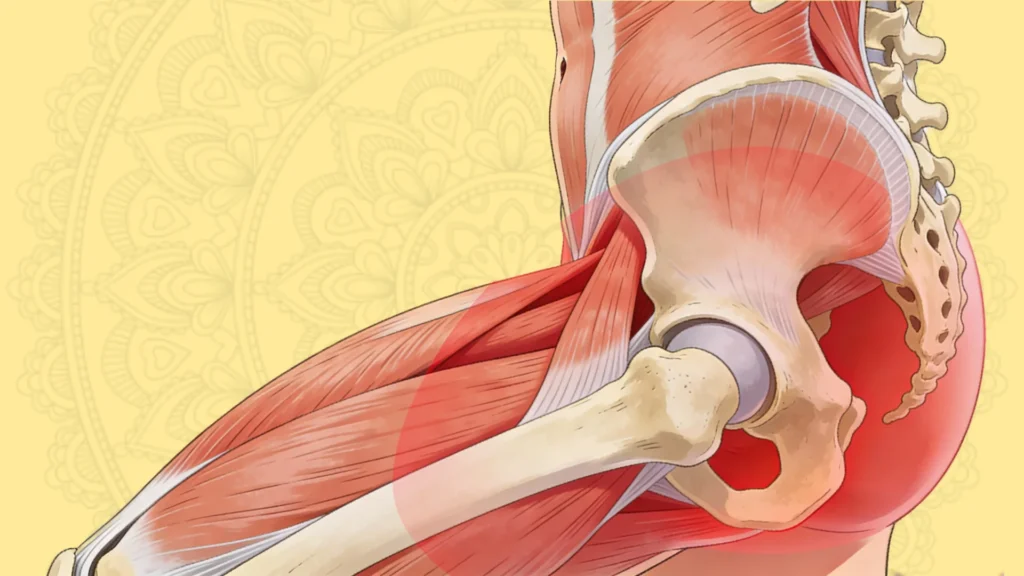
When done by a trained provider, prenatal massage often focuses on glute and hip muscles, not deep joint pressure.
Also, therapists may use side-lying positioning with pillows to support the belly and reduce strain.
Because of this setup, gentle work can ease tension around the low back, outer hip, and upper thigh.
Where myofascial release may fit
However, light myofascial release (MFR) usually means slow, gentle pressure on connective tissue, not aggressive digging.
If a spot feels sharp or makes you brace, it is often a sign to back off and switch techniques.
After your session, a short walk, warm shower, and steady hydration can help you feel more settled.
Safety Considerations & When to Seek Professional Care
Basic prenatal massage safety
When you are pregnant, the safest massage position is often supported side lying, especially later in pregnancy.
Also, avoid long periods flat on your back after mid-pregnancy unless your provider says it is fine.
Because blood clot risk matters, therapists may avoid deep calf pressure, especially with swelling or varicose veins.
When to get checked
However, contact your maternity provider if you have vaginal bleeding, fever, severe headache, or sudden swelling.
If pain follows a fall, limits walking, or comes with numbness, weakness, or contractions, get medical advice promptly.