
Introduction
Myofascial release, or MFR, is a hands-on method that uses slow, gentle pressure. It aims to ease tension in fascia, the thin tissue that wraps muscles.
This article explains fascia tightness, common sensations, and safe next steps.
What MFR means
Because fascia connects many areas, one tight spot can affect how you move elsewhere. When you sit, drive, or work at a desk, the neck and shoulders often take the load.
How This Is Commonly Described
Words people use
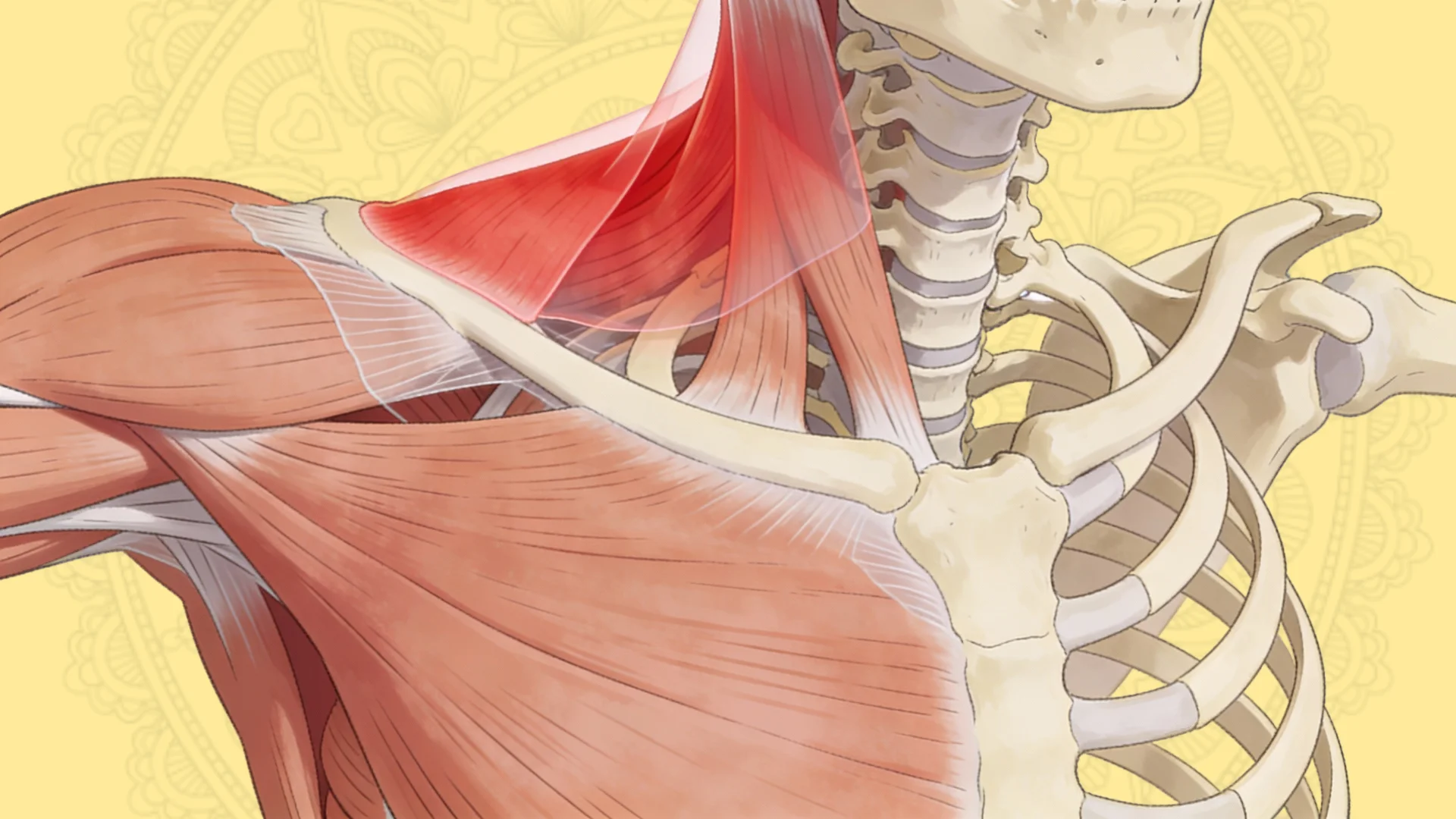
Also, people often say they feel “knots,” “bands,” or “stuck spots” in the upper back. When you press the area, you may notice a tender point that feels ropey tissue.
However, MFR is not about forcing a stretch fast. Because the pressure is steady, many describe a slow “melting” sensation, like gradual softening under the hands.
At the same time, you may hear it called “trigger point work” or “fascial work.” If you use a ball or foam roller at home, that is often called self release or self massage.
How Movement, Pain, or Stiffness May Be Experienced
Common patterns in the neck and shoulders
For example, you might feel stiffness when you turn your head to check traffic. After long screen time, your shoulders may creep up, and the area can feel heavy and tight.
Also, discomfort may “refer,” meaning you feel it a little away from the spot you press. When the upper traps are sensitive, some people notice a dull ache that spreads toward the shoulder blade.
However, soreness after pressure can happen, especially if the area was guarded. If the feeling is sharp, zinging, or worsening, that is a sign to ease off and choose lighter pressure instead.
How Care Is Commonly Approached (General Overview)
Simple care steps that often pair well
Also, many plans start with movement you can repeat daily, like gentle neck turns and shoulder rolls. When you add short breaks, your tissues often tolerate work and workouts better.
Because of this, heat, hydration habits, and sleep routines often matter as much as hands-on work. If you carry a bag on one side or cradle your phone, changing that habit can reduce daily strain.
At the same time, some people benefit from guided care like physical therapy or supervised exercise. When symptoms keep returning, a clinician can check strength, mobility, and possible nerve irritation signs.
However, tools like balls, rollers, and massage can be supportive when used with control. If you go slow and breathe, you can practice better body awareness without chasing pain.
Massage Therapy’s Supportive Role
What a session may focus on
Also, a massage therapist may assess how your neck, shoulders, and upper back move together. While working, they may use sustained contact to encourage the tissue to soften.
For example, they might work along the chest, ribs, and shoulder blade area, not only the sore spot. Because trigger points can be reactive, they often adjust to a comfortably firm level.
Over time, massage can support easier movement by reducing protective guarding. If you combine sessions with stretching and strengthening, you may notice smoother range during daily tasks like carrying groceries.
However, MFR is not a contest, and strong pressure is not always better. When you feel safe and relaxed, the nervous system can settle, which supports calmer muscle tone.
Safety Considerations & When to Seek Professional Care
When to pause and get checked
Also, stop self MFR if you feel sharp, shooting pain, sudden weakness, or numbness that spreads. If symptoms follow a fall, car accident, or other significant injury, it is safer to get assessed first.
Because of this, be extra careful if you bruise easily, take blood thinners, or have a condition that affects skin or healing. When in doubt, choose gentle pressure and shorter sessions.
However, seek urgent medical care if you have back pain with new numbness around the groin or buttocks, weakness in both legs, or trouble controlling bladder or bowel function. If you have chest pain or severe, fast-worsening symptoms, treat it as an emergency.