
Your Guide to Spinal Manipulation and Self-Care
Introduction
Why people look at chiropractic
Sciatica can feel scary when pain shoots into your leg. Because of this, many people look for hands-on care that feels direct.
This article explains sciatica basics, chiropractic care options, and safety red flags.
Also, chiropractic care often focuses on your spine, hips, and movement habits. It may include hands-on joint work plus simple home steps.
How This Is Commonly Described
Words people use day to day
For many people, sciatica means sharp, burning, or electric pain that travels. It often starts in the low back or buttock and runs down one leg.
Also, people may notice tingling, numbness, or a deep ache in the calf or foot. Some describe it as a “pinched nerve” or “nerve pain.”
At the same time, sciatica is a symptom pattern, not one single disease. A common cause is a disc in the low back that irritates a nerve.
How Movement, Pain, or Stiffness May Be Experienced
Common triggers and patterns
For example, sitting can increase symptoms, especially with a slumped posture. Long car rides or couch time can be a big trigger.
Also, bending, coughing, or lifting may spike pain for some people. Walking may feel better for others, at least in small doses.
However, nerve irritation can also change strength and balance. You might feel your leg “give way” or notice weakness on stairs.
How Care Is Commonly Approached (General Overview)
First steps many clinicians suggest
Also, many care plans start with staying gently active instead of full bed rest. Short walks, paced movement, and simple stretches often help you stay mobile.
Because of this, clinicians often pair activity with pain relief options. These may include heat, over-the-counter medicines, or referral to physiotherapy.
Where chiropractic may fit
For many people, chiropractic care includes spinal manipulation, which is a quick, controlled joint movement. It may also include mobilization, which uses slower, gentle joint motions.
Also, a chiropractor may add advice on lifting, sitting, and sleep positions. Some visits include home exercises to support the back and hips.
However, spinal manipulation is not a sure fix for sciatica. Evidence suggests it may help some people, especially when combined with advice and exercise.
Massage Therapy’s Supportive Role
How soft tissue work may help comfort
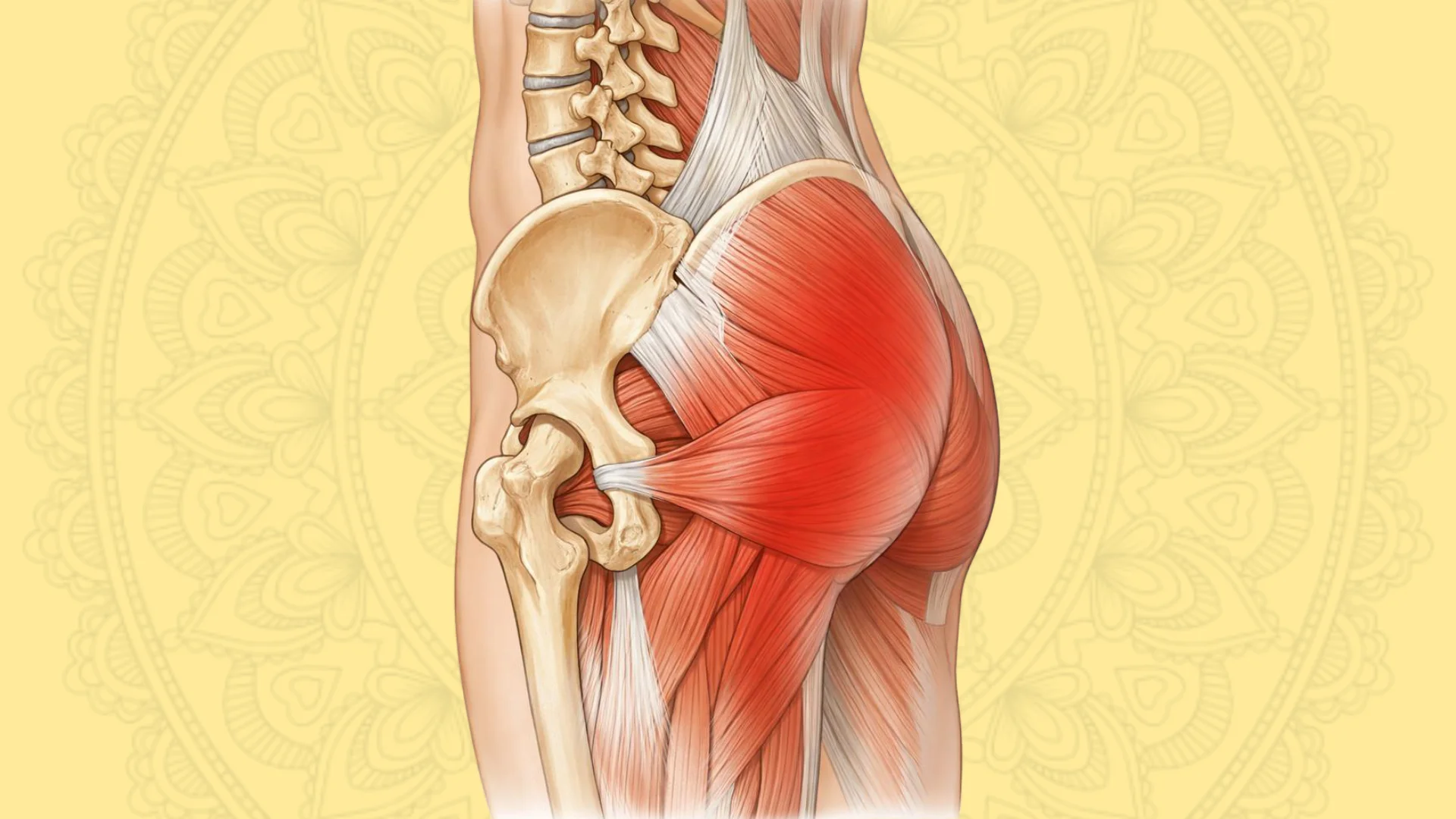
Also, sciatica can make nearby muscles tighten as a защитive response. Tight hip and low back muscles can add extra soreness on top of nerve pain.
Because of this, massage may support comfort and movement by easing muscle tension. It does not “put a disc back,” but it can help you move with less guarding.
For example, a therapist may focus on the glutes, hip rotators, and low back tissues. Gentle work can feel better than deep pressure when nerves are sensitive.
Safety Considerations & When to Seek Professional Care
When to pause and get checked
However, some symptoms need urgent medical care. Seek emergency help if you lose bowel or bladder control, or feel numbness around the genitals or anus.
Also, get urgent help if you have severe or worsening weakness in one or both legs. Sudden symptoms after a fall or crash also need prompt evaluation.
Making care choices safer
At the same time, tell any provider about your full health history and medicines. Ask what technique they plan to use and what soreness is normal after care.
Because of this, it helps to think in terms of goals, not quick fixes. A safer plan often mixes symptom relief with gradual strength and mobility work.
Key Takeaways
- Morning pain is a common pattern with plantar fascia irritation.
- Load changes like new workouts or long standing may play a role.
- Supportive shoes and gradual activity can reduce daily strain.
- Massage support may help comfort and ease tension in nearby muscles.
- Red flags like severe pain or numbness need professional review.
- Morning pain is a common pattern with plantar fascia irritation.
- Load changes like new workouts or long standing may play a role.
- Supportive shoes and gradual activity can reduce daily strain.
- Massage support may help comfort and ease tension in nearby muscles.
- Red flags like severe pain or numbness need professional review.
Key Takeaways
- Sciatica often feels like pain, tingling, or numbness that travels down one leg.
- Chiropractic care may include spinal manipulation, movement advice, and home exercises.
- Spinal manipulation may help some people, but results vary and evidence is limited for sciatica.
- Seek urgent care for bowel or bladder changes, saddle numbness, or worsening leg weakness.
FAQs
Can myofascial release help alongside chiropractic for sciatica?
Can myofascial release help alongside chiropractic for sciatica?
Yes, myofascial release can help reduce muscle guarding around the hips and low back. It may make walking and gentle exercise feel easier. It should not replace evaluation for nerve warning signs.
Is MFR safe when sciatica pain is sharp?
MFR is often gentle, but sharp nerve pain can flare with too much pressure. A cautious approach uses light pressure and short sessions. Stop if pain shoots farther down the leg or feels worse after.
How does myofascial release differ from spinal adjustment for sciatica?
Myofascial release focuses on soft tissues like muscles and fascia, which is connective tissue under the skin. Spinal adjustment focuses on joint motion in the spine or pelvis. Many people use them together as part of a broader plan.
Can MFR fix a herniated disc that causes sciatica?
MFR cannot “fix” a disc, and it cannot guarantee nerve relief. It may help you move with less tension while your body heals. A provider can guide you on exercises that match your symptoms.
When should I skip myofascial release or MFR and seek urgent care?
Skip MFR and seek urgent care if you have bowel or bladder changes, saddle numbness, or rapidly worsening leg weakness. These signs can point to a serious nerve problem. Get checked before any hands-on treatment.
Can myofascial release help alongside chiropractic for sciatica?
Yes, myofascial release can help reduce muscle guarding around the hips and low back. It may make walking and gentle exercise feel easier. It should not replace evaluation for nerve warning signs.
MFR is often gentle, but sharp nerve pain can flare with too much pressure. A cautious approach uses light pressure and short sessions. Stop if pain shoots farther down the leg or feels worse after.
Myofascial release focuses on soft tissues like muscles and fascia, which is connective tissue under the skin. Spinal adjustment focuses on joint motion in the spine or pelvis. Many people use them together as part of a broader plan.
MFR cannot “fix” a disc, and it cannot guarantee nerve relief. It may help you move with less tension while your body heals. A provider can guide you on exercises that match your symptoms.
Skip MFR and seek urgent care if you have bowel or bladder changes, saddle numbness, or rapidly worsening leg weakness. These signs can point to a serious nerve problem. Get checked before any hands-on treatment.
Sources
NHS. (2024). Sciatica. https://www.nhs.uk/conditions/sciatica/
Cleveland Clinic. (2023). Sciatica: What It Is, Causes, Symptoms, Treatment & Pain Relief. https://my.clevelandclinic.org/health/diseases/12792-sciatica
National Center for Complementary and Integrative Health. (2022). Spinal Manipulation: What You Need To Know. https://www.nccih.nih.gov/health/spinal-manipulation-what-you-need-to-know
American College of Physicians. (2017). American College of Physicians issues guideline for treating nonradicular low back pain. https://www.acponline.org/acp-newsroom/american-college-of-physicians-issues-guideline-for-treating-nonradicular-low-back-pain
This article is for informational and educational purposes only and is not a substitute for professional medical advice, diagnosis, or treatment. Always seek the guidance of a qualified healthcare professional before starting or changing any health or wellness practice.
Illustrations used in this article are for educational purposes only and may be AI-generated. They are not intended to diagnose or represent medical conditions.
“This article is for informational and educational purposes only and is not a substitute for professional medical advice, diagnosis, or treatment. Always seek the guidance of a qualified healthcare professional before starting or changing any health or wellness practice.
Illustrations used in this article are for educational purposes only and may be AI-generated. They are not intended to diagnose or represent medical conditions.”
Table of Contents
Table of Contents